-
PWM Charging: Utilizes Pulse Width Modulation charging method. PWM is a type of charging algorithm that regulates the charging of the battery by intermittently interrupting the current flow.
-
Voltage Compatibility: Designed to work with various battery voltages including 12V, 24V, and sometimes 48V systems. The charge controller automatically detects the voltage of the battery system it’s connected to.
-
Maximum Current Handling: 50A – This indicates the maximum current that the charge controller can handle from the solar panels.
-
Charge Control Stages: Typically employs three stages of charging:
-
Bulk Charge: Provides maximum current until the battery voltage reaches a setpoint.
-
Overcharge Protection: Prevents batteries from being overcharged.
-
Short Circuit Protection: Safeguards the system against short circuits.
-
Reverse Polarity Protection: Protects the system if the battery is connected incorrectly.
-
Overload Protection: Prevents damage due to excessive current flow.
-
Over-discharge Protection: Safeguards batteries from being excessively discharged.
-
Overheat Protection: Prevents damage due to excessive temperature.
-
-
Absorption Charge: Holds the battery voltage at a constant level to ensure full charging.
-
Float Charge: Maintains the battery at full charge without overcharging.
-
Efficiency: Offers high efficiency in converting solar energy into usable electricity for charging batteries.
-
Protection Features:
-
Temperature Compensation: Adjusts charging parameters based on the temperature to optimize battery charging and longevity.
-
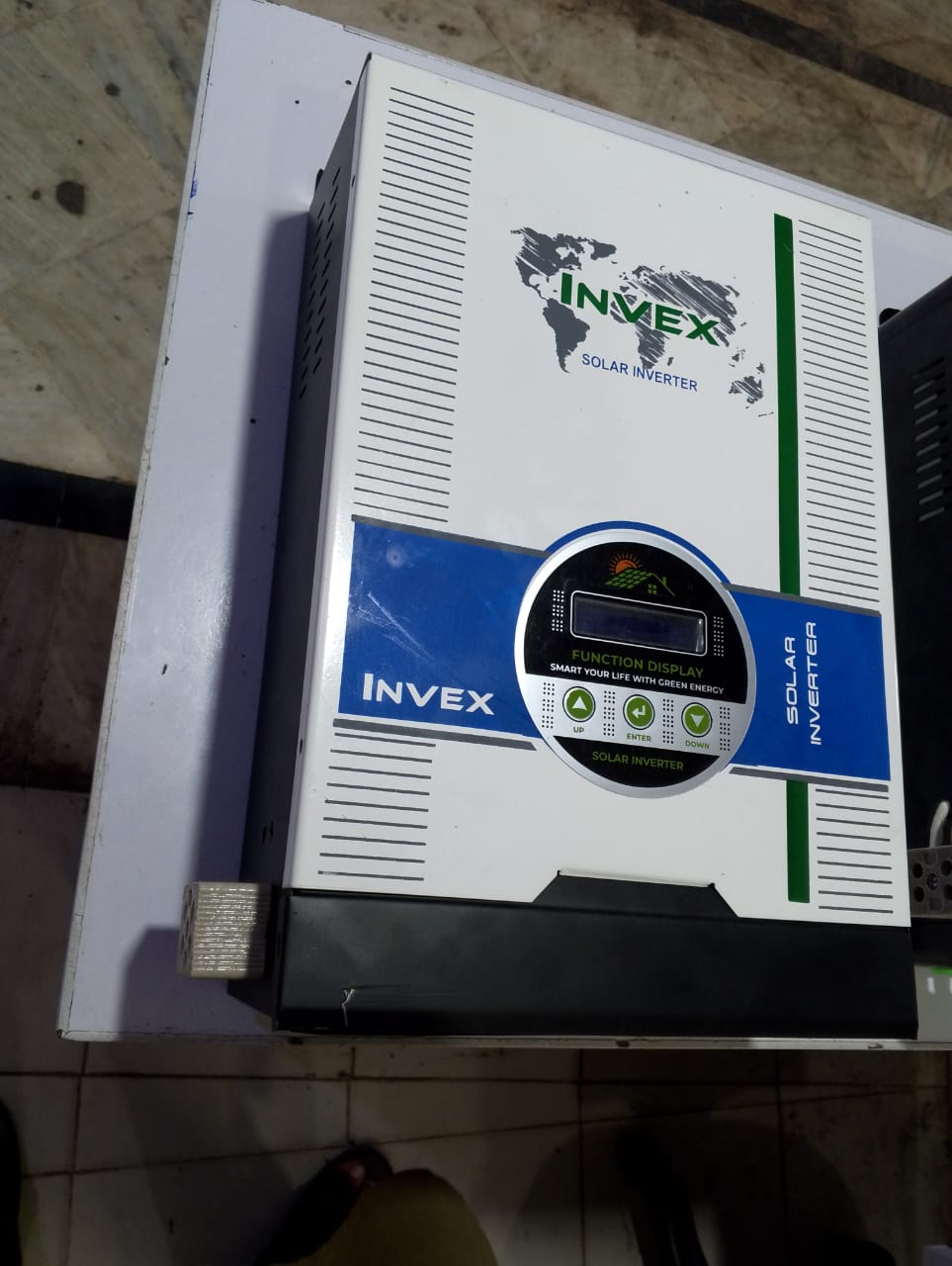
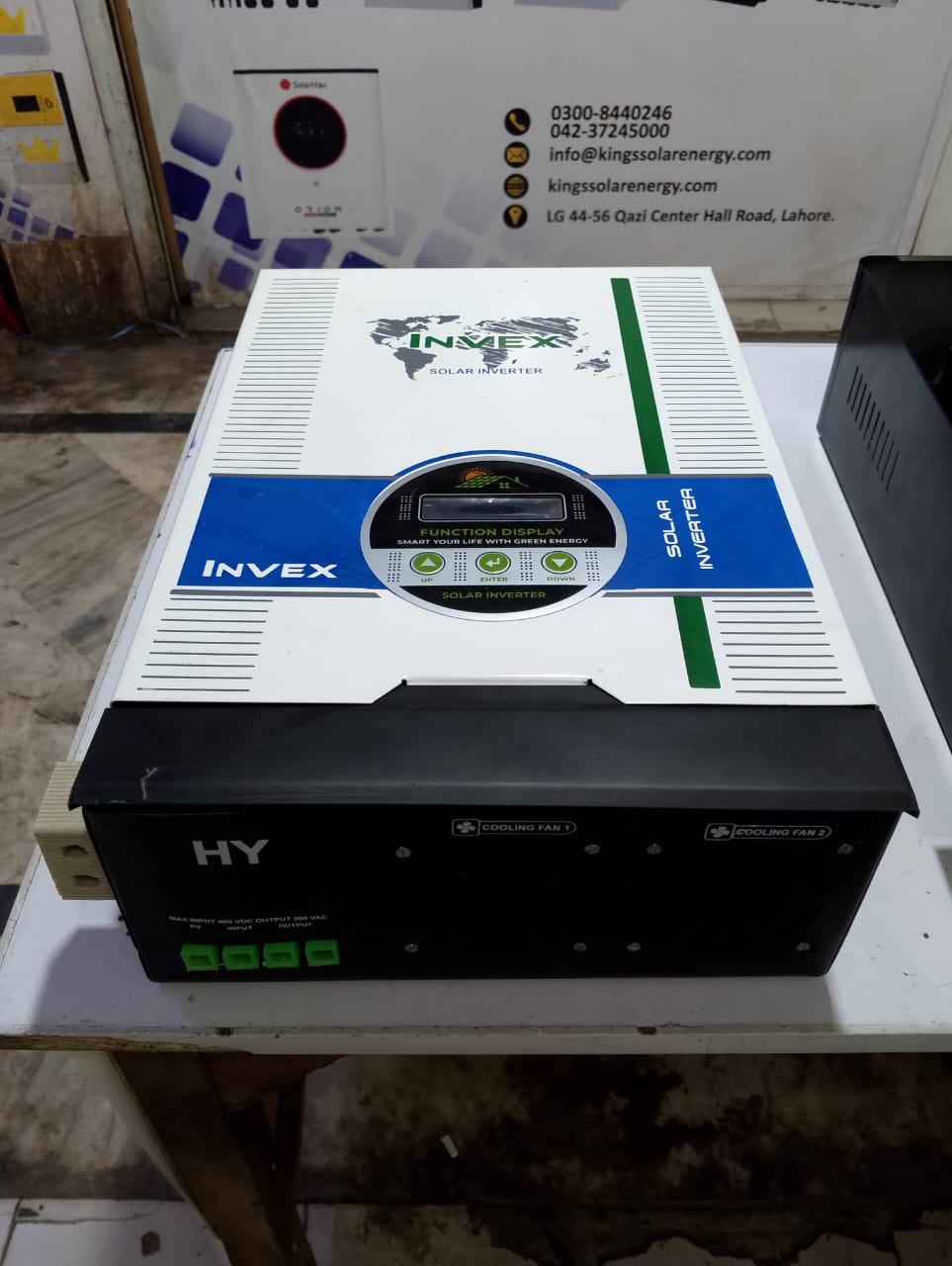
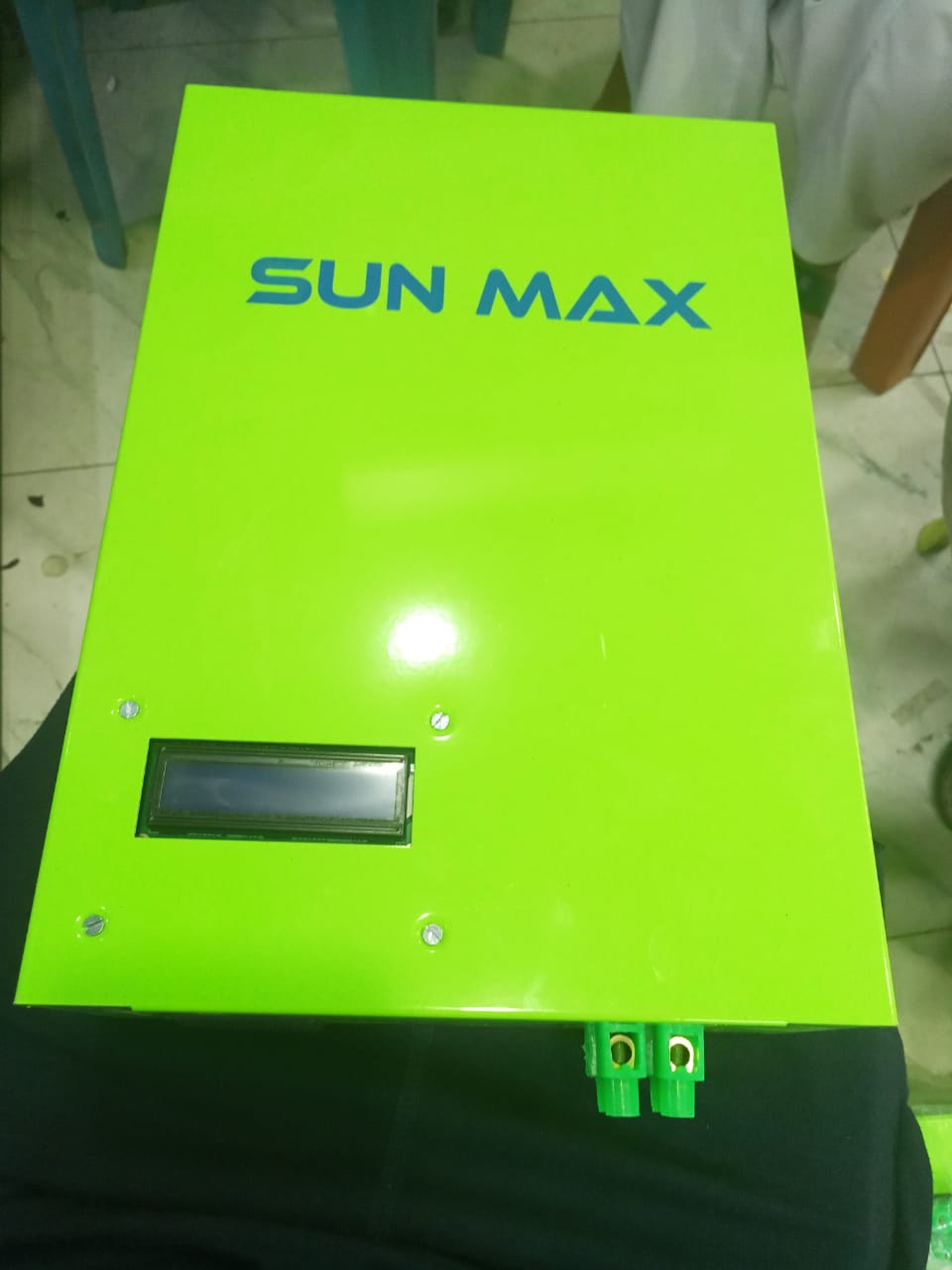
Display and Indicators: Usually equipped with LED indicators to display charging status and sometimes an LCD screen to provide more detailed information such as voltage, current, and battery state.